
طاقچه؛ کتاب الکترونیکی و صوتی
Taaghche DevelopmentBooks & Reference
4.2119.00 Reviews
- Version
- 10.1.1.2
- Installs
- 1.00M
- Age Rating
- Everyone
Screenshots
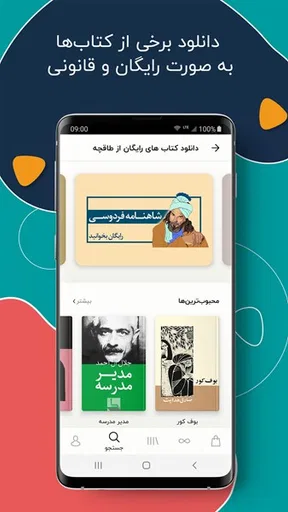
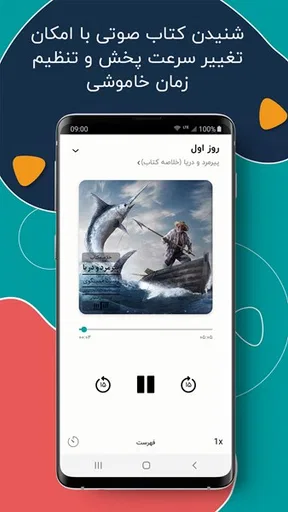
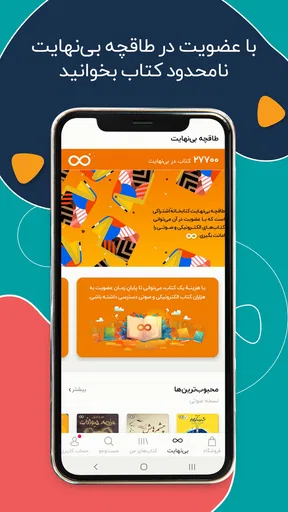
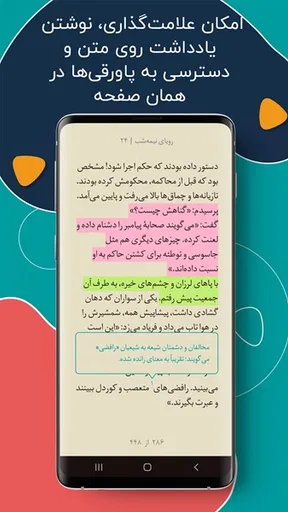
Our Review of طاقچه؛ کتاب الکترونیکی و صوتی
 Analysis by Appyee
I spent time with طاقچه؛ کتاب الکترونیکی و صوتی as a reading and listening app, and my first impression was that it is built for people who want Persian books in one place rather than switching between a bookstore, an e-reader, and an audiobook service. It belongs to the Books & Reference category, comes from Taaghche Development, and is available free to install. That last point matters, but it should be understood correctly: free installation gives you a way into the service, not a promise that every book inside can be read or heard without payment.
The app has a 4.2 average from around 3.2 thousand ratings, and it has passed one million installs. Those figures suggest that it has reached a substantial audience, while still leaving room for individual preferences to differ. I would not judge it as a simple PDF viewer. Its real appeal is the combination of a digital bookstore and a personal library, with electronic and audio books handled in the same general environment.
How the reading experience fits into everyday life
The most convincing use case for me is the reader who moves between different moments of the day. I might read an electronic book when I have quiet time, then choose an audio book when walking, commuting, or doing routine work. Keeping both kinds of content connected to one app is more practical than treating them as unrelated purchases in separate services.
That convenience is especially useful for someone who reads in Persian regularly. Instead of searching the general web every time I want a title, I can begin with a service designed around books and reference material. The app’s purpose is clear enough that it feels more focused than a general file-management tool, and it is more book-centred than a basic music or podcast application.
I also like the difference between owning a reading tool and merely opening a document. A dedicated book app encourages me to return to a title, continue from where I stopped, and treat reading as an ongoing activity. That may sound small, but it changes the experience for people who keep several books in progress. The value is not only in displaying text; it is in making a personal digital shelf easier to use.
For audio books, the benefit is different. Listening works best when reading is not possible, and a service that includes both formats lets me choose the format that matches the situation. I would not expect an audio version to replace every electronic book, or vice versa. The practical advantage is having both options available within the same book-oriented destination.
What the free installation really means
The app is free to download, which makes trying it low-risk. You can install it without committing money at the first step, explore the experience, and decide whether its catalogue and reading style suit you. That is a meaningful advantage over services that make it difficult to understand their usefulness before registration or setup.
Still, I would separate free access to the app from the value of paid books. A free app can contain titles that require individual payment, and the installation price alone does not tell me how much a complete reading habit will cost. I would check the price of a specific book before deciding, especially if I am comparing several titles or planning to build a large library.
This distinction also makes the app easier to evaluate honestly. If you only want a free reader for documents already stored on your phone, this may offer more than you need. If you want a bookstore with electronic and audio choices, the free installation gives you a sensible way to investigate the service before spending on a title.
I would also avoid assuming that every book has the same purchase arrangement. Digital books can differ in format and value, and an audio edition may be a separate choice from an electronic edition. The useful habit is to inspect the individual title, confirm which format you are selecting, and then decide whether that version fits the way you actually plan to use it.
Where the app delivers its strongest value
The strongest value comes from reducing friction between discovery and use. When I want a book, I do not only need a name in a search result; I need a practical way to read or listen after finding it. A bookstore-library combination addresses that complete journey more directly than a generic browser search followed by unrelated reading software.
There is also a useful psychological benefit to keeping books in one organised place. A scattered collection of files, downloads, and audio tracks can become difficult to manage. A dedicated library gives each title a clearer home and makes it easier to return to a book later. For readers who abandon books temporarily and come back weeks later, that continuity can be more valuable than a long list of decorative features.
One non-obvious advantage is format switching as a planning tool. I would use the electronic version for close reading, note-taking in my head, or checking a passage, then reserve audio for time when my eyes are occupied. This is not simply a convenience feature; it lets the same reading goal survive a change in schedule. A busy day does not automatically have to become a day without a book.
Another practical insight is to decide the format before buying based on the task, not just the title. If I expect to read at night or in short bursts, electronic text may be the better fit. If I expect long walks or repetitive chores, audio may provide more value. Choosing this way prevents me from paying for a format that sounds attractive but does not match my routine.
The app can also suit households or individuals with different reading habits, although I would still judge its value person by person. One user may care about listening while another prefers silent reading. The shared benefit is not that every person uses it identically, but that the service supports two common ways of consuming books without requiring two separate book ecosystems.
Small decisions that improve the experience
I would begin with one book rather than trying to build a large collection immediately. This gives me a chance to see whether I enjoy reading inside the app, whether the available format suits my schedule, and whether the library arrangement feels natural. It is a better test of value than downloading a long list of titles simply because installation is free.
For an audio book, I would choose a title that fits a predictable listening window. A short daily walk or regular household routine makes it easier to judge whether audio is genuinely helping me finish books. Without a consistent moment for listening, even a good audio catalogue can turn into unused purchases.
For electronic reading, I would use the app for a book that I expect to revisit. That reveals more about the library experience than reading a single page and closing the app. Returning to a title is where a digital book service proves whether it is convenient over time, rather than merely attractive on first launch.
These habits also help separate the app’s value from impulse buying. The free download is useful for exploration, but the paid decision should follow a real reading plan. I would rather buy one format that I will use repeatedly than collect several titles that remain untouched.
The trade-offs I noticed
The biggest trade-off is that a bookstore model is not the same as an unlimited reading subscription. If you expect to open any book without considering its individual purchase terms, you may find the experience less predictable than a service built around a single recurring-access model. Since the app is free to install but book access can involve separate value decisions, budgeting matters.
That does not make the model bad. It can be better for someone who wants to choose specific books and keep a focused library. It is less attractive for a reader who consumes many unrelated titles and mainly wants the lowest possible cost per month. In that case, a subscription service, a public library, or a free legal reading source may fit better, depending on the books you want.
Another trade-off is concentration. Having electronic and audio books together is convenient, but it also means the app becomes the main place where you manage part of your reading life. Someone who prefers open files, multiple reading apps, or a completely platform-neutral collection may feel more comfortable with ordinary documents and a separate audio player.
I would also be realistic about the difference between a digital library and a physical shelf. Digital access is portable and tidy, but it does not provide the same ownership experience as a printed book. If you care about lending paper copies, displaying a collection, or reading without depending on a phone, a physical bookstore remains the better choice. This app is designed for convenience, not for replacing every reason people buy printed books.
There is a further trade-off between choice and decision fatigue. A combined bookstore can make it easier to find something, but a broad selection can also encourage browsing without reading. My solution would be to enter with a purpose: choose a subject, a particular author, or a format for a specific routine. That keeps the app useful instead of turning it into another endless catalogue.
Who will get the most from it
I think the app is a strong match for Persian-speaking readers who want both electronic and audio books and prefer a single, dedicated library. It is especially suitable for people whose schedules change during the day. A student may read between classes, while a worker may listen during a commute or household task. The format choice makes the service more adaptable than an electronic-only reader.
It is also a good starting point for someone moving from paper books to digital reading. The free installation lowers the barrier to experimenting, and the book-focused design is easier to understand than assembling a collection from random files. I would recommend starting with a title you already know you want, because that tests the actual service rather than your ability to browse.
Readers who value a compact library may appreciate it more than people who simply need a one-time document viewer. The app makes more sense when books are part of a continuing habit. If your goal is to read one file once and delete it, a simpler tool may be faster and less distracting.
It may also suit listeners who have struggled to maintain a reading habit because they rarely have free time for silent reading. Audio does not magically create time, but it can make certain existing routines more productive. The important condition is that listening fits your environment and that you are comfortable choosing an audio format rather than assuming every title should be read on screen.
Who should probably skip it
I would skip it if I wanted only printed books, complete control over local files, or a reading system independent of a bookstore. In those cases, a physical retailer, a conventional e-reader, or a file-based reading application may be a better match. The app’s central strength—bringing a bookstore and digital library together—is not useful to someone who does not want that model.
I would also hesitate if my main priority were unlimited access at a fixed recurring cost. The free installation does not establish that every title is included without additional payment, so readers with a strict subscription-only budget should compare the specific access model before committing to a large reading plan.
Finally, people who dislike reading or listening on a phone may find that the convenience does not compensate for their preferred physical experience. A digital library is valuable only when the device-based format feels comfortable enough to use regularly.
Version, compatibility, and long-term practicality
The current version is 10.1.1.2, and the app supports devices running Android 5.0 or newer. That minimum requirement makes it accessible to people using older Android hardware, although the experience will still depend on the condition and performance of the particular phone. I would keep enough free storage for books and audio content, especially if I plan to use the app away from a reliable connection.
The app is rated for Everyone, which makes its general positioning approachable for a broad audience. That rating does not tell me that every individual book is suitable for every reader; it describes the app’s overall age classification rather than replacing personal judgement about a title’s subject matter.
One practical question is whether the app will fit into your device habits. If you read mostly on a larger screen, a phone-centred workflow may feel less comfortable than a dedicated e-reader or tablet. If you already carry your phone everywhere and want occasional reading or listening, the same design choice becomes an advantage. I would base the decision on where I actually read, not only on the catalogue.
My buy-or-skip verdict
I would recommend trying it when you want a Persian digital bookstore and library that brings electronic and audio books into one place. The free installation makes exploration straightforward, and the combination is genuinely useful for people who alternate between screen reading and listening. In my experience, its best value appears when I choose books deliberately and match each format to a real part of my day.
I would not recommend treating it as automatically free reading, an unlimited catalogue, or a replacement for every kind of book service. The sensible approach is to examine each title’s purchase option, decide whether electronic or audio is the format you will use, and begin with a small, purposeful selection. That keeps the cost decision honest and prevents the library from becoming a collection of unused downloads.
Overall, Taaghche Development has made a focused app for readers who want convenience without separating their electronic and audio habits. Its limitations are mainly about expectations: readers seeking paper books, open file control, or guaranteed all-you-can-read access may prefer another route. For everyone else, especially someone trying to make reading fit around a busy routine, طاقچه؛ کتاب الکترونیکی و صوتی is worth installing and evaluating one title at a time.
Verdict
Strengths of طاقچه؛ کتاب الکترونیکی و صوتی
- Large Persian library with ebooks, audiobooks, and magazines in one app.
- Supports offline reading and listening after content is downloaded.
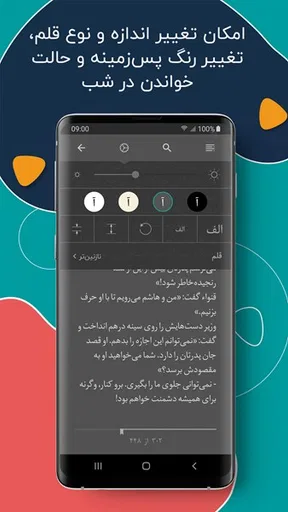
- Adjustable font, text size, and display settings improve reading comfort.
- Regular discounts and subscription options can reduce book costs.
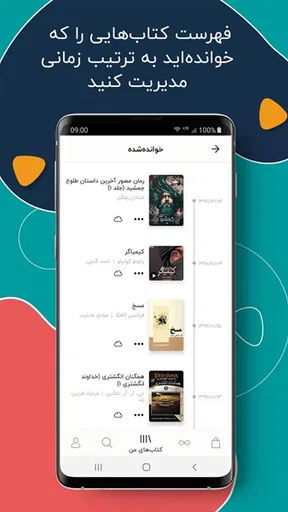
- Bookmarks, notes, and reading progress help organize long-term reading.
Limitations of طاقچه؛ کتاب الکترونیکی و صوتی
- Most content is Persian, limiting its usefulness for non-Persian readers.
- Some popular titles require separate purchases despite subscription access.
- Audiobook quality and narration style can vary between publishers.
- Offline downloads use considerable storage for large books and audio files.
- Account or payment issues may be difficult for users outside Iran to resolve.
Similar Picks in This Category
View All
Google Play Books & Audiobooks
Google LLC4.7

네이버 - NAVER
NAVER Corp.3.5

Wattpad - Read & Write Stories
Wattpad.com3.7

King James Bible - Verse+Audio
Ozion4.8

Bible Offline-KJV Holy Bible
Bíblia Offline4.9

Amazon Kindle: Reading App
Amazon Mobile LLC4.8
Frequently Asked Questions
What is طاقچه (Taaghche), and what can I use it for?
طاقچه (Taaghche) is a Persian digital reading platform that provides access to electronic books, audiobooks, magazines, and other written content. After installing the app, users can browse titles by category, search for specific authors or books, purchase or download available content, and read or listen directly from their mobile device. It is mainly designed for Persian-speaking readers.
Does طاقچه offer both free and paid books or audiobooks?
Yes, the Taaghche catalog includes a mixture of free and paid content. Some books, samples, public-domain works, promotional titles, and selected magazines may be available without payment, while newer or commercially published books usually require a purchase or subscription. Before downloading, check the title’s individual page for its price, access conditions, available preview, and whether it is included in a current subscription plan.
Can I read books or listen to audiobooks offline in طاقچه?
Taaghche generally allows users to access purchased or authorized content offline after it has been downloaded inside the application. This is useful when traveling or when an internet connection is unavailable. However, offline access may be protected by the app’s digital-rights system, so files typically cannot be opened in another reader or freely transferred. You may also need to connect periodically to verify your account and content permissions.
Is a Taaghche account required, and will my purchases be saved?
An account is normally needed to purchase content, synchronize your library, and use Taaghche across supported devices. Signing in helps preserve access to books and audiobooks associated with your account if you change or reinstall your phone. Make sure you use the same login method each time and keep your account information secure. Access can still depend on the publisher’s licensing rules and the availability of the title.
Is طاقچه available for both Android and iPhone users?
Taaghche is primarily intended for mobile users and is available through supported Android and iOS distribution channels, although the exact installation method can vary by region and local store restrictions. Before downloading, check that your device meets the current operating-system requirements and that enough storage is available for audiobooks. Because catalog access, payments, and updates may differ by platform, review the official listing for the latest details.
